A leading progressive voice on US foreign affairs for nearly 50 years.
-
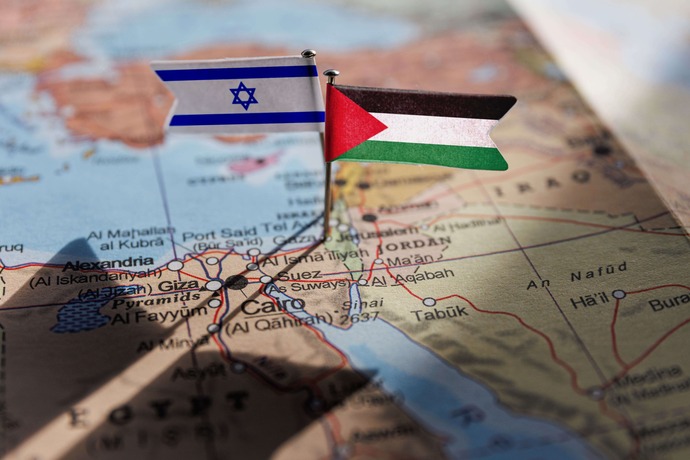
Six Months of War in Gaza
Read our five recommendations for the Biden Administration to take to stop the fighting, end the nightmare faced by Palestinian civilians and Israeli hostages, and ensure the security, rights and well-being of Israelis and Palestinians in the longer term.
Read More -
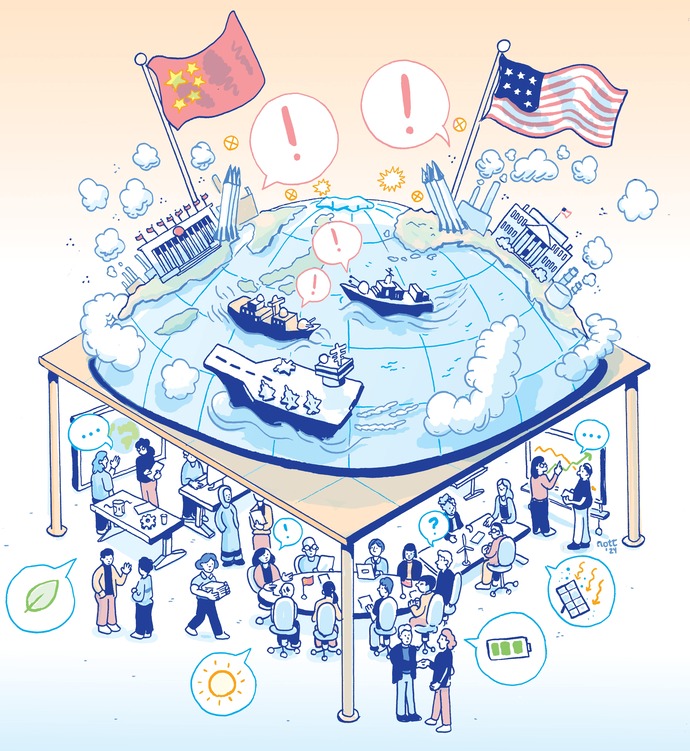
NEW! International Policy Journal
We are delighted to welcome you to the inaugural issue of the International Policy Journal (IPJ), a platform dedicated to discussing foreign policy priorities within a progressive agenda.
Read More -

Progressive Foreign Policy as a Political Force
This first event of its kind by CIP marks the organization's recent expansion and revitalized mission to serve as a beacon of principled, actionable foreign policy solutions to today’s challenges.
READ MORE
Our programs
The Center for International Policy is a woman-led, progressive, independent nonprofit center for research, education, and advocacy working to advance a more peaceful, just, and sustainable U.S. approach to foreign policy.
Our programs provide interdisciplinary, intersectional, and cross-cutting analysis of the true causes and unforeseen consequences of conflict. Crucial to our mission is incorporating the voices of people most affected by U.S. foreign policy in the regions we study. This strategic analytical approach is integrated into all of CIP’s programs to offer alternative solutions to security challenges that are effective and sustainable for our nation, our global community, and our planet.



Latest content
-

-

-

-

-

Subscribe for updates
Our impact
Putting people and the planet first for nearly 50 years.
-

We Get the Word Out
-
We Convene Change-Makers
-

We Elevate the Dialogue
-
We Amplify Diverse Perspectives
-
We Influence Policy
Why we’re here
The Center for International Policy (CIP) aims to advance a peaceful, just, and sustainable world supported by U.S. foreign policy that puts people and the planet first.
We work to promote greater transparency, government accountability and advance intersectional and interdisciplinary data-driven solutions to today's global security challenges. Our programs offer sustainable and effective solutions to address the most urgent threats to our planet: war, corruption, inequity, and the climate crisis.
Our latest on social media


US militarism is a disproportionate driver of & reaction to the climate crisis, which threatens human & ecological security globally.
Climate action elevates the US role in the world & does so based on cooperation & shared prosperity.
It's an easy choice. ...#EarthDay

Fellow Nadine Farid Johnson tells @CNN the bill to ban TikTok "would infringe on this [First Amendment] right, and with no real pay-off. China & other foreign adversaries could still purchase Americans’ sensitive data from data brokers on the open market."

House lawmakers have once again passed legislation that could lead to a nationwide TikTok ban, renewing a massive threat to the company’s US...
www.cnn.com
Georgia Dream is a now joining the global white nationalist network.
The U.S.'s Trump, Hungary's Orban, now Georgia is talking its seat with the world's nationalists.
Respect for international law demanded a 'no' vote on this bill.
Opponents have US interests, values and the will of the people on their side.
CIP's Ari Tolany tells @VOANews a new House bill potentially allows $3.5 billion of weapons to Israel, including those used in Gaza, without notification.
"The public & Congress would have virtually no insight into what kind of munitions are transferred."

The threat of a wider war between Israel and Iran may give U.S. President Joe Biden more breathing room to provide military assistance to Israel...


Our latest "Week in Arms Trade Publications" newsletter is packed.
* #EWIPA resources ahead of major conference
* arms to #Israel, #Ukraine
* firearms in the Americas and globally
* cyber, arms and the environment
* events and more
Check it out at ...https://t.co/Vlty8IpWuS

Democratic lawmakers are rightly questioning a bill that would send billions of dollars more to Israel for weapons it is using in Gaza: https://www.nytimes.com/2024/04/19/us/politics/democrats-israel-aid-gaza.html?smid=nytcore-ios-share&referringSource=articleShare
See CIP’s analysis... of why such further subsidization of the Gaza war is not justified https://internationalpolicy.org/publications/cip-analysis-of-new-congressional-ukraine-and-israel-aid-proposals/…⬇️
CIP's Ari Tolany tells @VOANews a new House bill potentially allows $3.5 billion of weapons to Israel, including those used in Gaza, without notification.
"The public & Congress would have virtually no insight into what kind of munitions are transferred."
The threat of a wider war between Israel and Iran may give U.S. President Joe Biden more breathing room to provide military assistance to Israel...
www.voanews.comEVP @MattDuss talks to @HuffPost about Biden's approach to a potential Israeli offensive in Rafah:
“Biden’s policy has been to try & keep the catastrophe contained within Gaza. It’s an indefensibly callous & dangerous policy, but they’ve been consistent."

An attack on Rafah, the last refuge in Gaza, appears imminent — and ongoing Israel-Iran tensions are complicating hopes President Joe Biden will...
www.huffpost.comMake a donation
CIP does not accept funding from the U.S. government or private corporations, remaining truly independent for over 40 years. We rely on individual contributors like you to make a peaceful, just, and sustainable world the central pursuit of U.S. foreign policy.